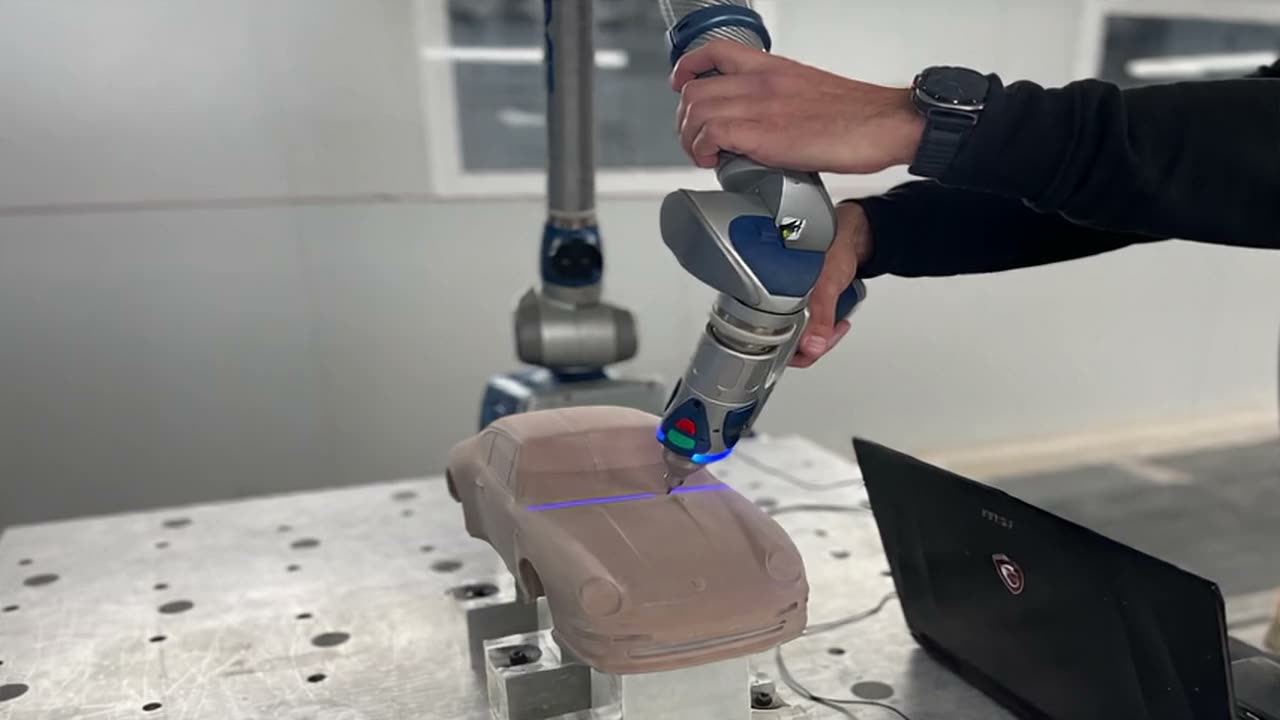
 01 · Scanning
We start from the original part.
There were no drawings. We 3D scanned the original mirror to capture its exact geometry, including the position of every mounting point.

A part small in size and demanding in every other respect: complex geometry, a finish worthy of the car and, above all, mounting points that must match the originals exactly for a first-time fit.
We machine the mold, measure it, laminate the part and measure again. This project says it all: three specialties working together on a single part.
01 · ScanningThere were no drawings. We 3D scanned the original mirror to capture its exact geometry, including the position of every mounting point.
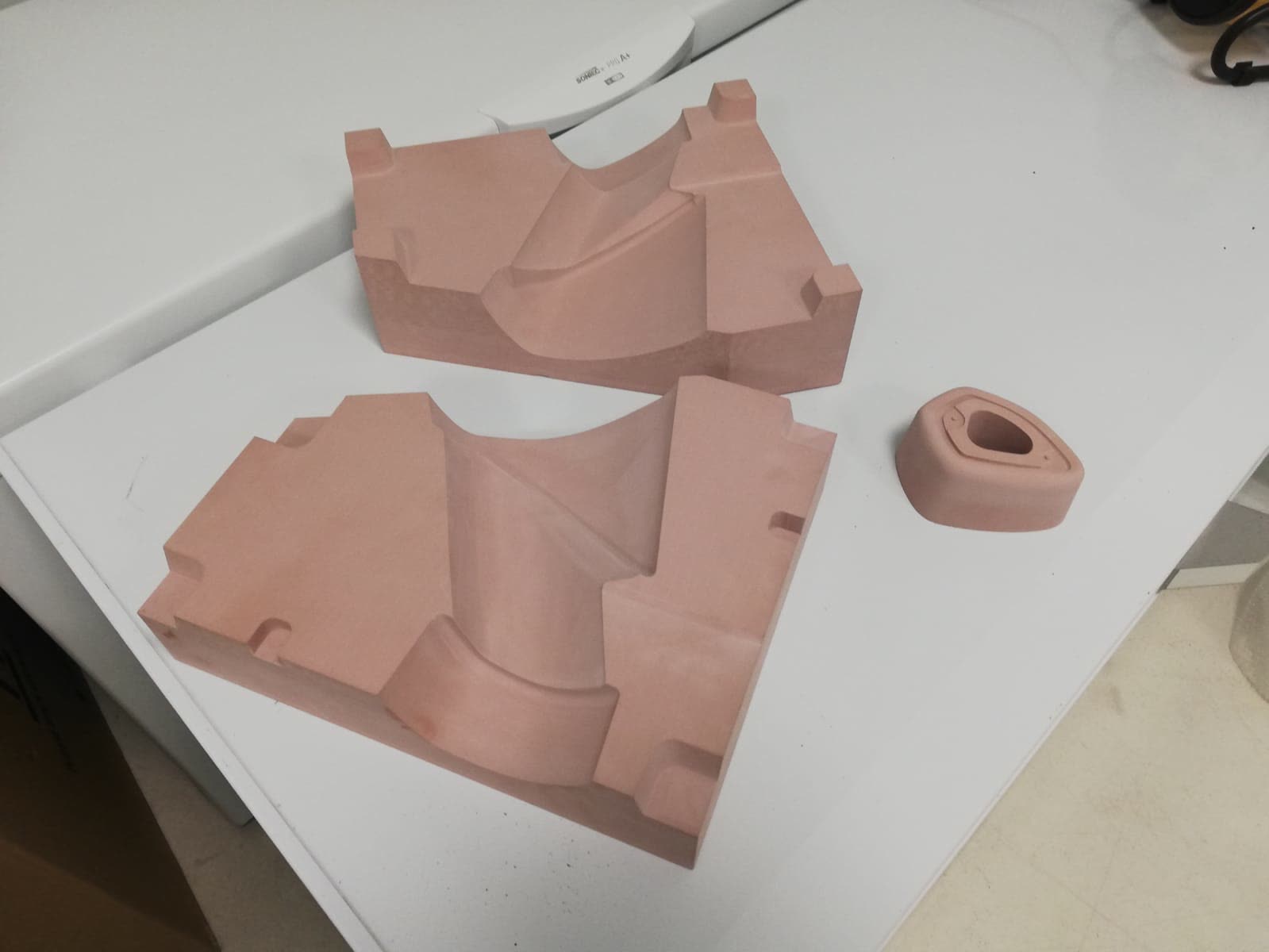 02 · Mold design
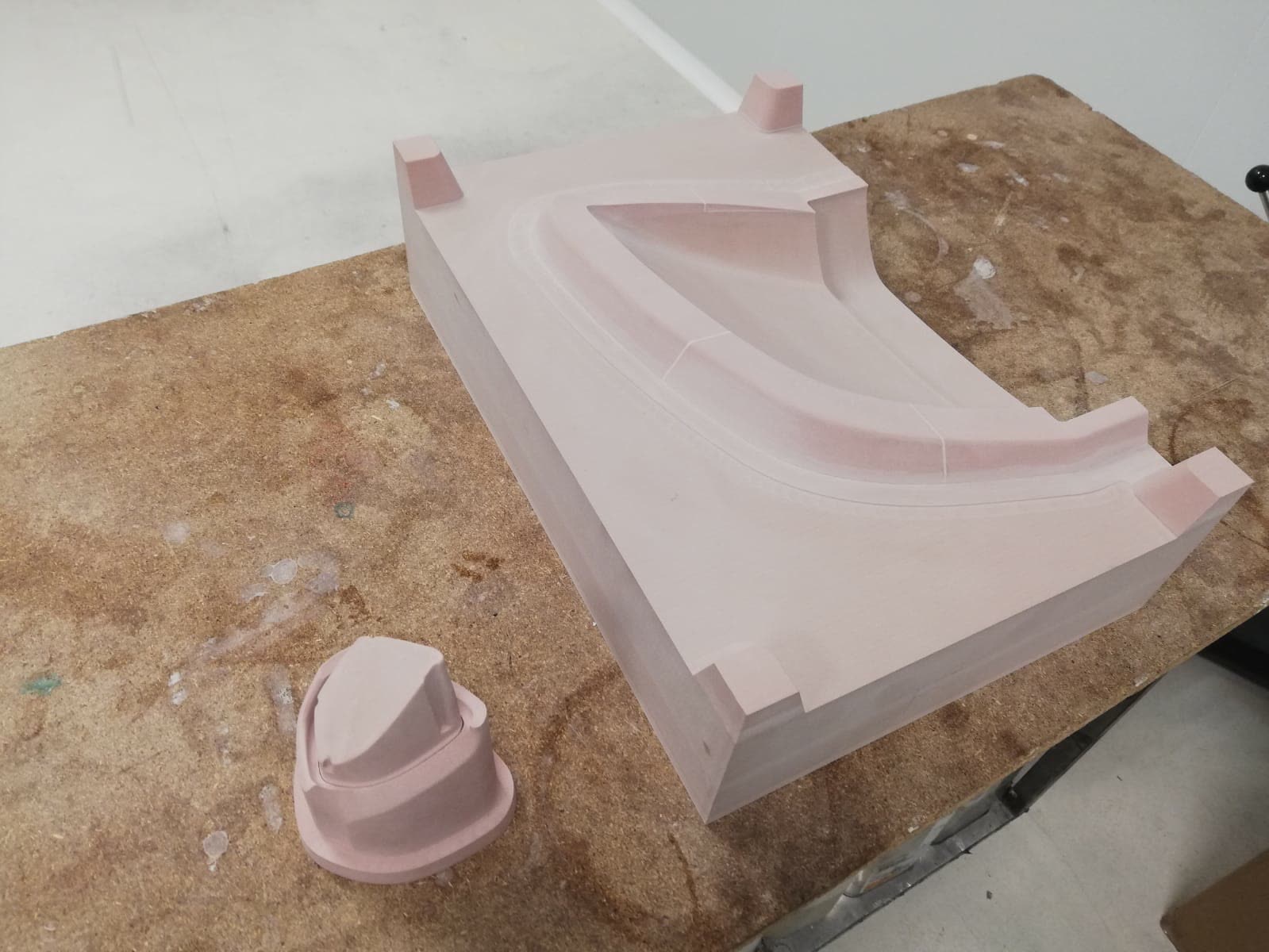
The cover has undercut areas that would prevent it from being released from a conventional mold. The inserts are removed separately, so the part can be demolded without damage.
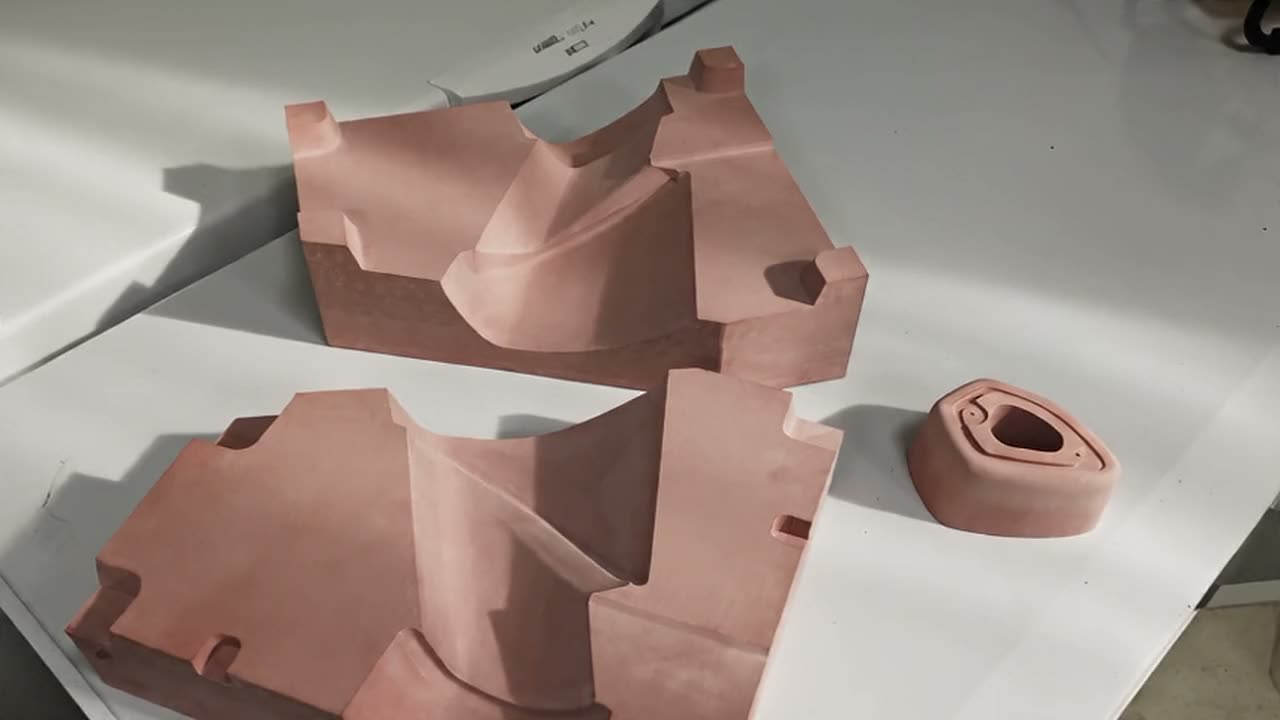 03 · Machining and measurement
The mold and inserts are CNC-machined from tooling board. Before lamination, we inspect the mold with FARO against the scan: if the mold is accurate, the part will be too.
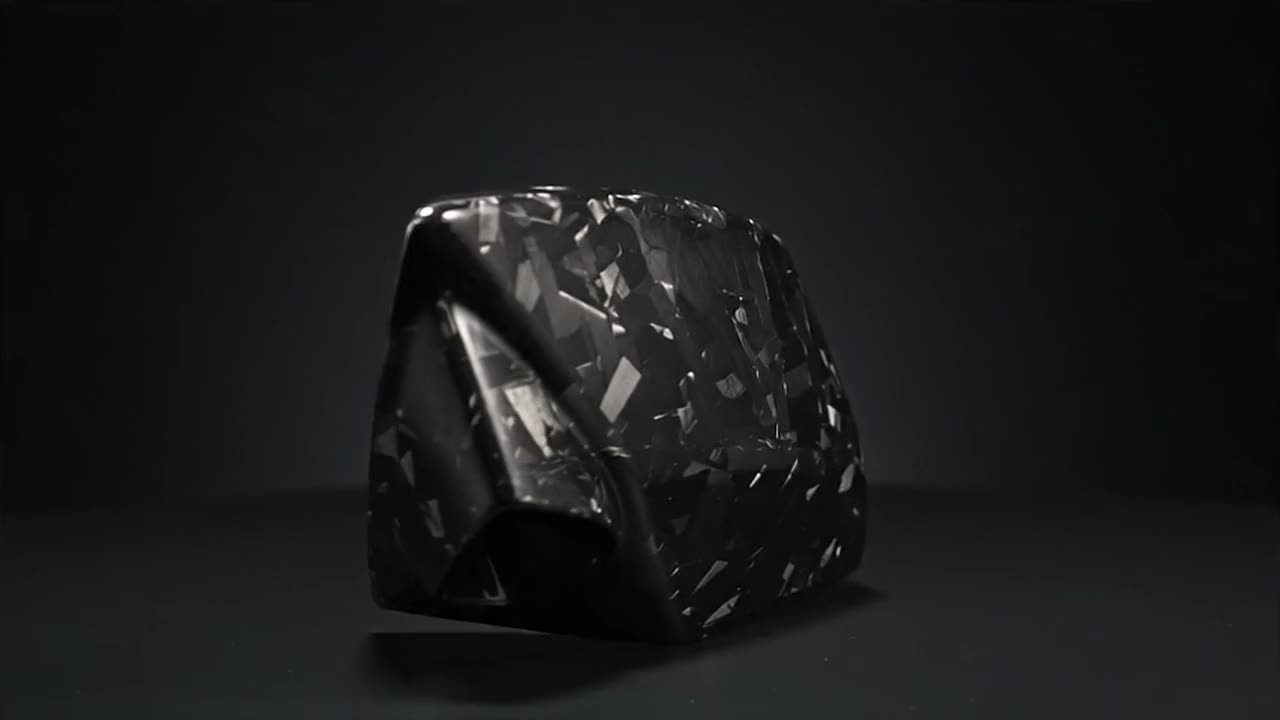 04 · Lamination
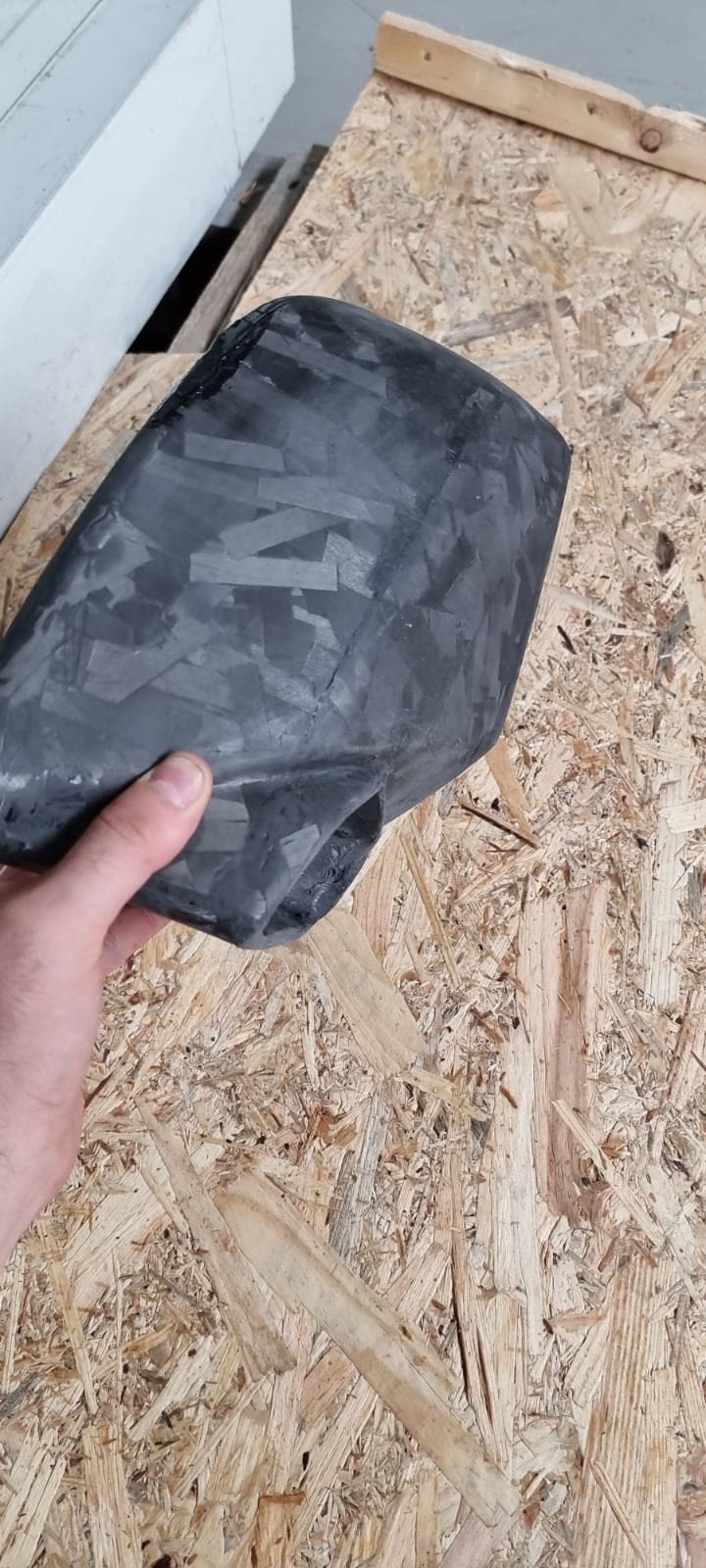
We place carbon fiber cuttings randomly inside the mold, together with the resin: the marble-like grain makes every part unique. The base is laminated in twill carbon fabric.
 05 · Measure again
We trim the part and compare it with the scan of the original. Only when the measurements match does it move on to sanding and a final high-gloss resin coat with UV protection: resistant to sun, rain and harsh weather, made to live outdoors.
 06 · Mounting points
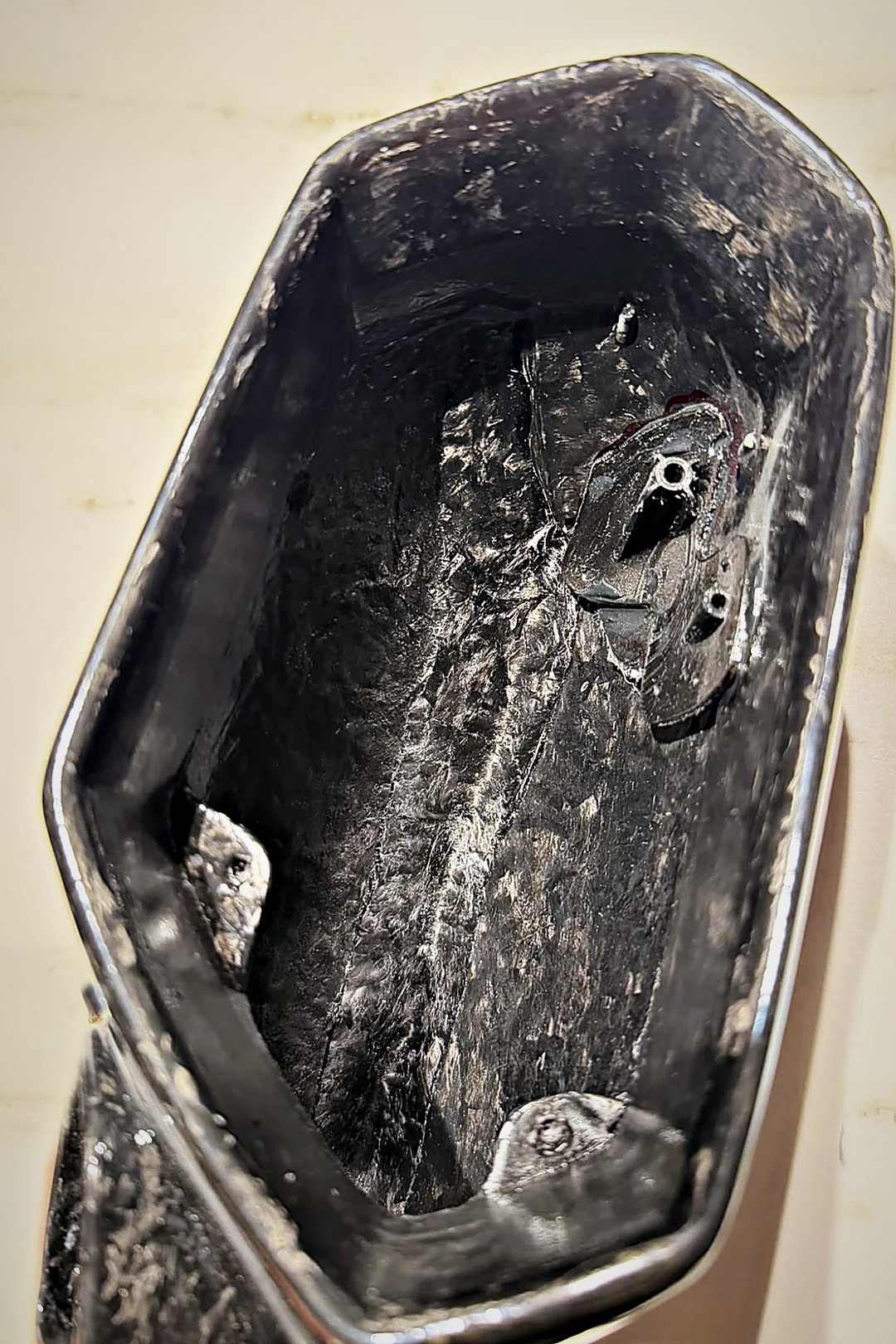
The hardest part: making sure the bosses, tabs and central bracket sit exactly where they were on the original part, so it mounts without forcing or adjustment.
A cover can look stunning on the outside and still be useless if it does not fit. The mounting points inside have to land exactly on those of the car's bracket.
That is why we measure them on the scan of the original, carry them into the mold design, check them on the mold before lamination and measure them again on the finished part. The final test is mounting it on the original mounting points, before delivery.
It is the same method we apply to any part that has to fit with another: tooling, fairings, replacement parts or prototypes.
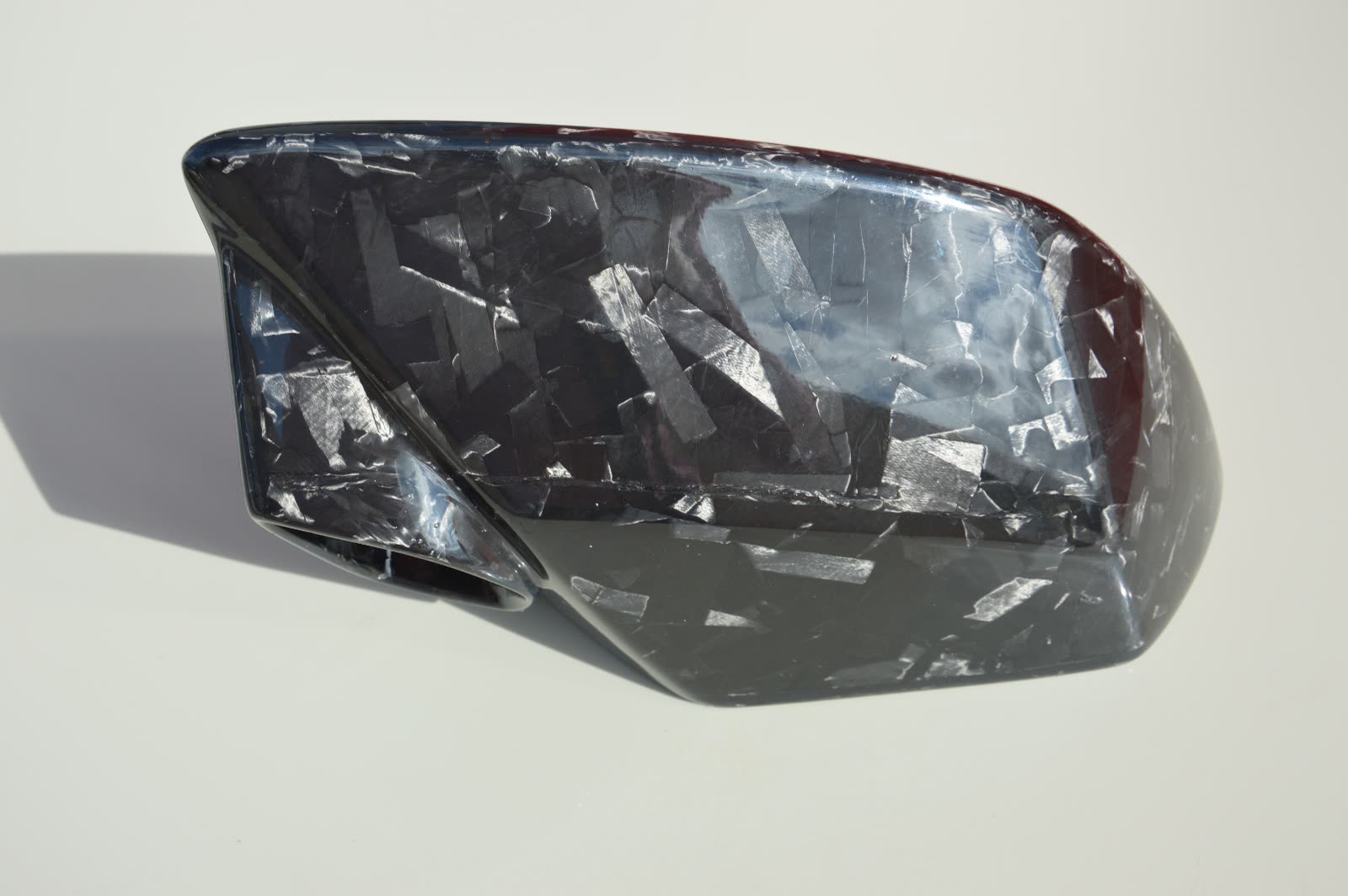
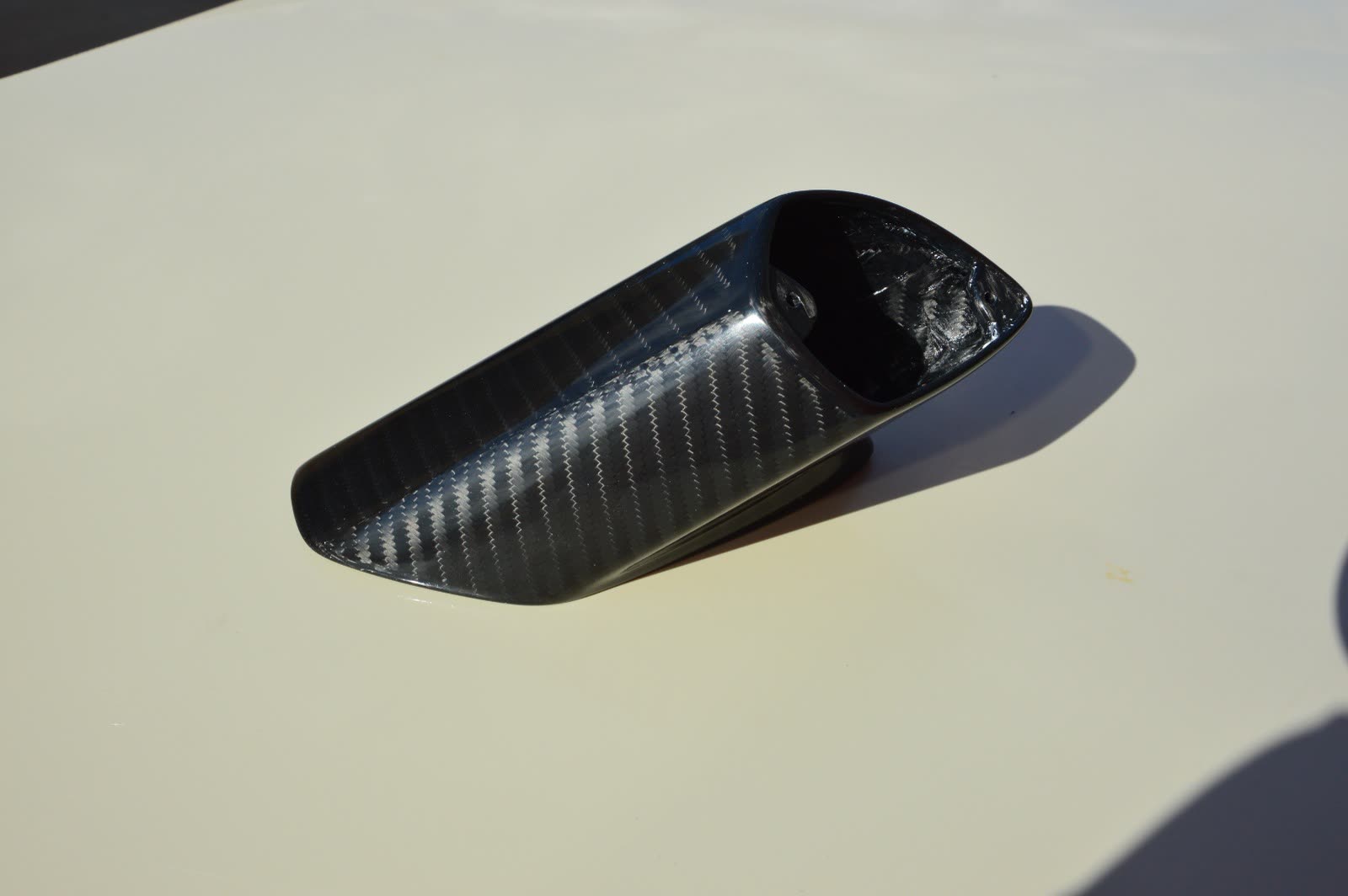
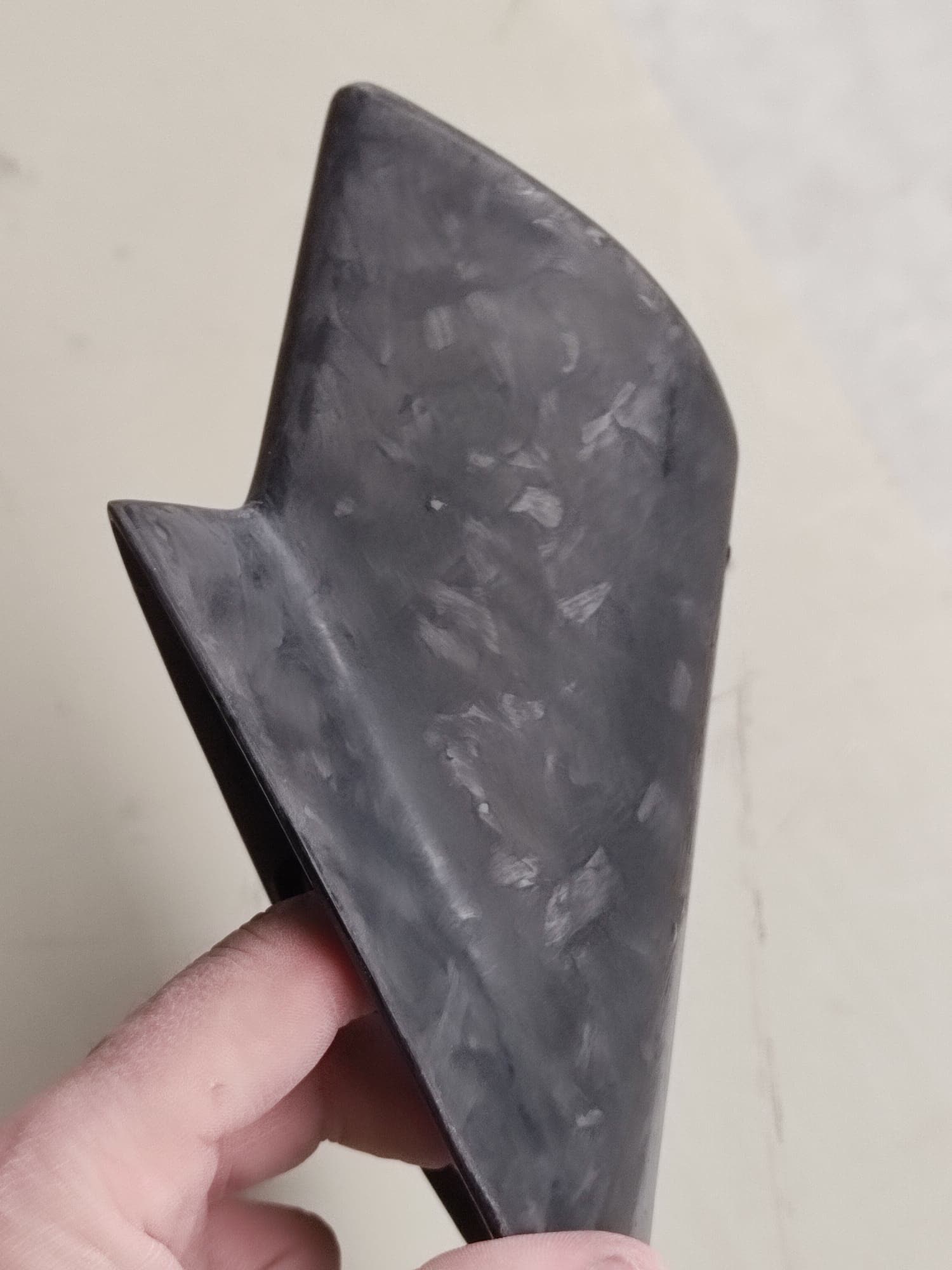
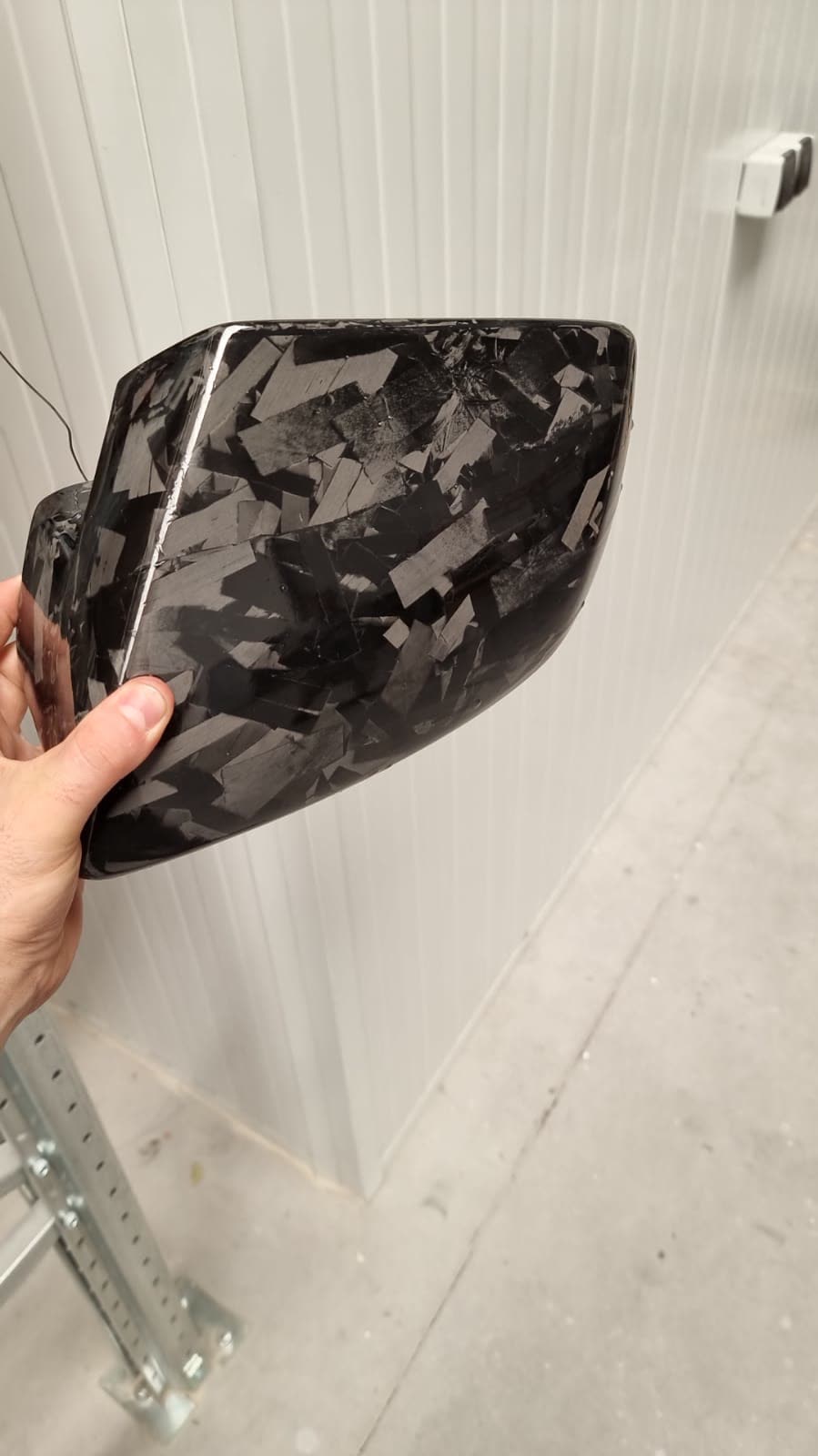
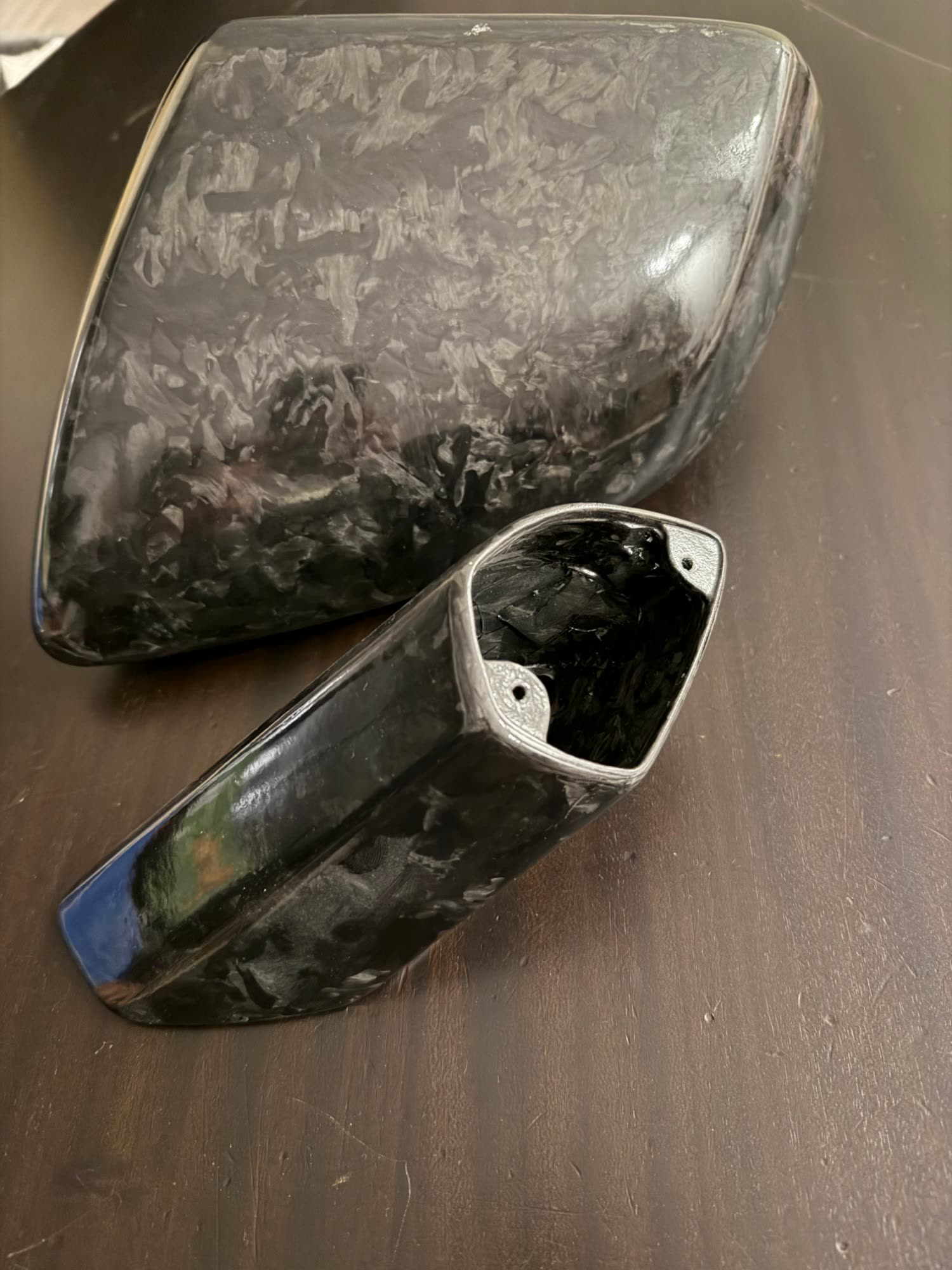
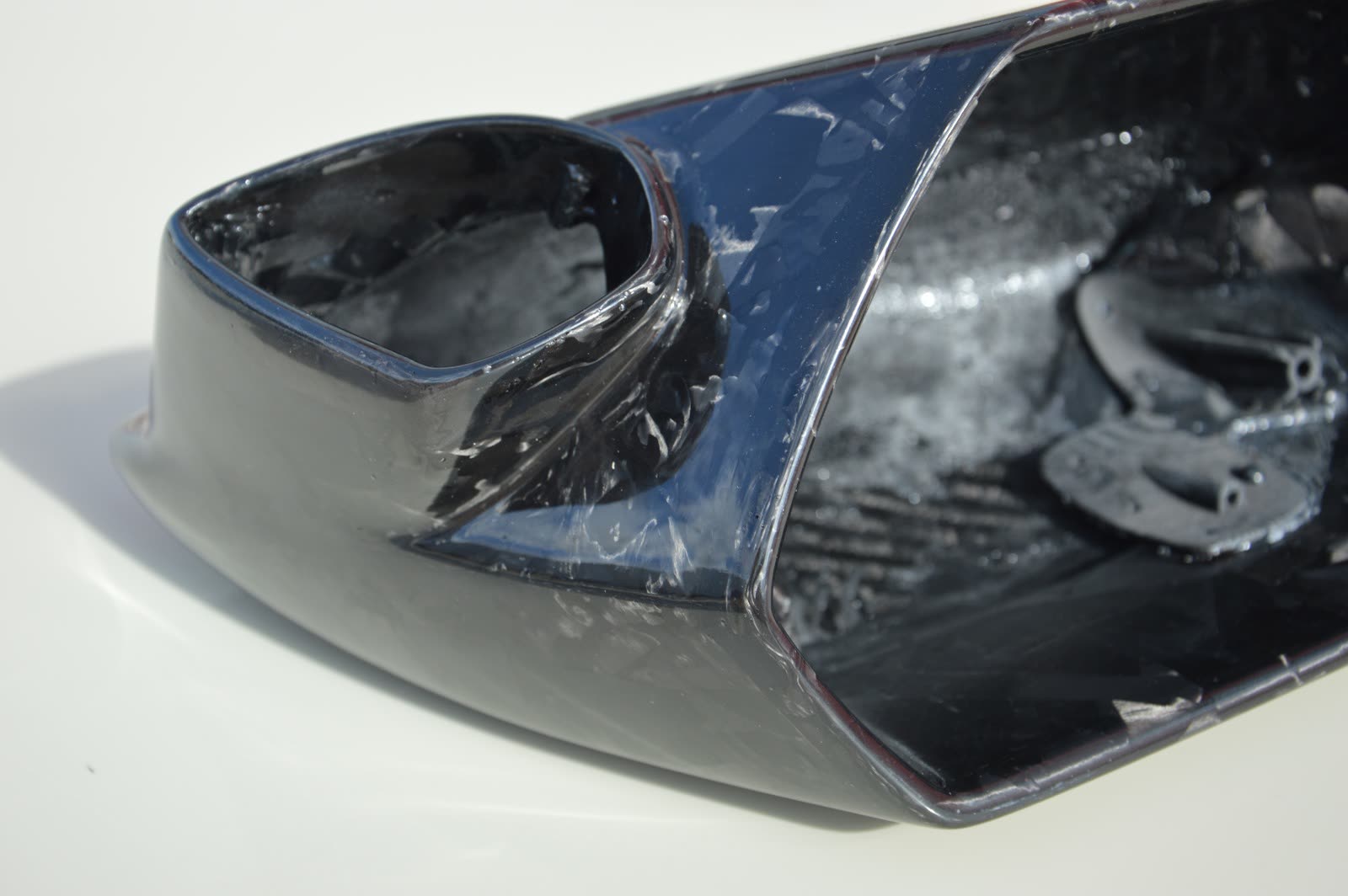
Part manufactured by Carbodynamic for a private client. Lamborghini and Huracán are registered trademarks of their respective owners; they are mentioned solely to identify the vehicle the part is intended for.
We can develop your part — automotive, motorcycle, industrial design or consumer product — from the scan or 3D model to the finished part, as one-offs or short runs.
Send us your part or 3D modelYes. We 3D scan the original part, capture its exact geometry and use it to design and machine the mold.
We measure the mounting points on the original part, transfer them to the mold, inspect the mold before lamination and measure the finished part again before test-fitting it on the original mounting points.
It is a composite made of carbon fiber cuttings placed randomly with resin inside the mold. It produces a marble-like grain that differs on every part, with high strength and low weight.